
InternalRequisitionDiagram-001

The Purchase Requisition Process

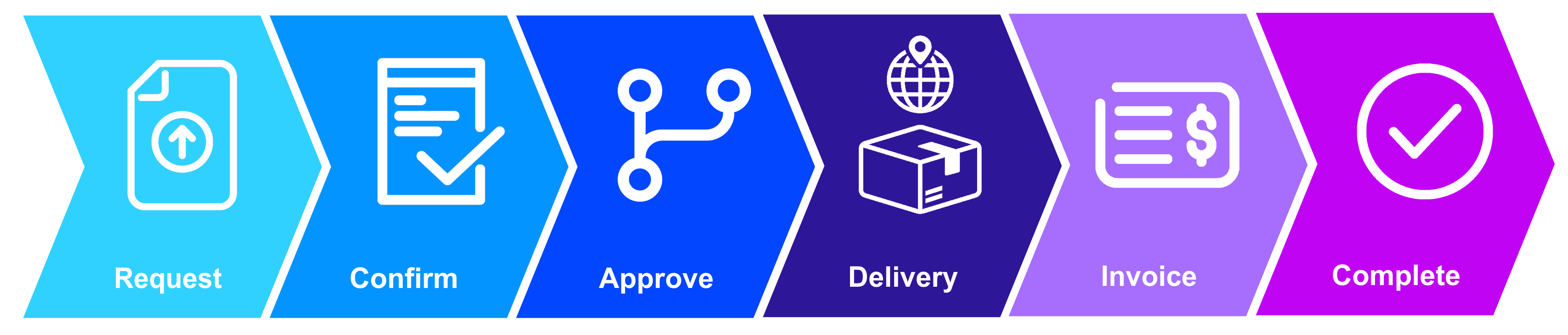
The purchase requisition process starts with a formal request prepared by an employee to purchase goods or services. It's usually a simple form that contains all of the information needed to trigger the right approval process. This includes a description of the purchase need (product description), the relevant department and budget item, the specific item(s) being requested, and any related files/quotes/agreements that approvers should review.

Once submitted, the purchase requisition (PR) is routed to the appropriate approvers. This typically happens through an automated requisition system. Eventually, the purchase requisition gets approved and turned into what's called a purchase order (PO). In essence, this becomes a binding contract for the purchasing department and will be used later on in approval workflows.

A typical purchase requisition form will contain general information as well as item information. A purchase requisition can include any of the following:

  • Requester Information
    • Name of requester
    • Department or cost center
    • Contact information
  • Date of Request and Delivery or Completion Date
  • Vendor/Supplier Information
    • Name and contact details
    • Alternative vendors (if applicable)
  • Description of Goods or Services
  • Specifications or requirements
  • Quantity
  • Unit Price
  • Total Cost
    • Budget Code or Cost Center for expenditures
  • Budget Approval
    • Space for department manager or purchasing manager to approve the budget allocation
  • Justification explaining why the purchase is needed
  • Additional Comments
  • Attachments and External Documents
  • Urgency Level
  • Authorization from Department Head or Supervisor
  • Requisition Number
  • Tracking Number

Purchase Requisition Workflow Considerations

The information entered in the requisition form will be logged in the purchasing system. All subsequent actions on the requisition—such as approvals, or questions being asked—take place within the system, ensuring that approvers have all of the context they need to make a decision, and that no misconduct is done by any stakeholder.

When it comes to a purchase requisition vs purchase order, what's the main difference? The purchase requisition is the formal request to purchase goods or services, whereas the purchase order is a legally binding document that gets issued to suppliers or vendors once the purchase requisition has been approved. The purchase order is usually referred to as a PO and is typically generated on the PO module of the company's ERP or on a P2P suite.
Beyond its function as a formal document, the PO is important for budget planning and management since it acts as a “lock” on a budget or spending limit before an invoice is received from the vendor.

The P2P (procure-to-pay) process is one of the two core processes of any business (the second being quote-to-cash), and it begins with the purchase requisition. Because the PR is the first step of the P2P process—and, like the popular phrase “good data in, good data out”—the quality of the entire P2P process relies on the quality of the requisition. If we take a closer look at the other areas of the P2P process, it becomes clear that the purchase requisition stage is where:
  • In some organizations, a large portion of employees have the ability, or authorization, to submit purchase requisitions. This includes requesters (employees), approvers (supervisors), the legal team, the finance department and accounting department, the procurement department, IT, and others. With so many stakeholders involved, having a more effective and streamlined process in place is paramount. Note that a requisition process is used for both direct and indirect procurement needs—from machines to transportation, to computers, software, office supplies, and beyond. Learn more about the stakeholders of a purchasing process here.
  • The highest-value decisions happen. To buy, or not to buy? From which vendor? And from which department's budget should the cost be deducted?
  • Real budget transparency can be achieved. Businesses aiming to optimize their finance management must start with achieving visibility into their spend pipeline. This means knowing what they're going to spend and where there is wiggle room. This type of visibility can only be achieved at the requisition stage.

Although many businesses choose to skip the purchase requisition process, there is a myriad of benefits to including this critical component in the procurement workflow. Here are a few of the key benefits of owning a purchase requisition process:

Early Involvement

Unlike purchase orders, requisitions can be submitted without a vendor listed. This means that a vendor can be assigned after the purchase need has been approved. It also means that the procurement department gets involved early on, helping to source the right vendor. This enables them to achieve better terms, negotiate beneficial contracts, and continue working with them into the future. Another advantage of early involvement is that even if the requester chooses a vendor, procurement or finance still has the ability to change to a better one while the requisition is still pending approval.

Detailed Approval Process

A PR approval process typically includes:
  • Budget owners who ensure there is a sufficient budget for the request
  • Security or infosec who make sure the vendor is compliant
  • The legal team that establishes an appropriate contract

Flexible Budget

Purchase requisitions add dimensions to your budget. Without a purchase order issued, the budget has only two layers: planned and used. This only allows for very limited planning and often results in budget goals not being met. A Purchase Order adds a third dimension. This is typically referred to as encumbrance, which is money pending future payment but not yet invoiced (in the case that a PO has already been generated). This allows for better planning, budget control, and more concise financial audits. With a requisition process, a fourth dimension is added: pending approval. This layer is extremely valuable, since the requisitions that are not yet approved are a savings opportunity. This is the only a portion of the budget that the procurement and finance team can immediately impact, since it's not committed yet.

Vendor Management

Allowing requesters to submit purchase requests is a great way to achieve early involvement for procurement and avoid a multitude of email threads that aren't directly associated with a PR.

Faster Processing and Improved Tracking

Another important element that a proper purchase requisition process enables is that teams can request a new vendor be onboarded in parallel with submitting their purchase request. In this scenario, a vendor onboarding process is always triggered from the purchase request. As such, it should be treated as a sub-process of a purchase request which leads to faster processing and improves tracking. A great requisition management tool should offer vendor onboarding capabilities, allowing requesters full visibility into their purchases. It gives finance, procurement, IT, and other approvers, a command center of all processes going on, before they reach the ERP. Purchase requisitions also provide the organization with complete documentation and audit history of who requested or approved what, when, and why. This is a valuable defense mechanism against misconduct and fraud. A requisition process removes the need for broad company access to the PO tool (often the ERP’s PO module). This smartly serves as a barrier preventing non-finance and procurement team members from entering the ERP system and generating binding documents like POs. If you’re using NetSuite POs or another cloud-based ERP, read more about managing requisitions here.

The information entered in the requisition form will be logged in the purchasing system. All subsequent actions on the requisition—such as approvals, or questions being asked—take place within the system, ensuring that approvers have all of the context they need to make a decision, and that no misconduct is done by any stakeholder. The steps of a purchase requisition workflow vary depending on the company's size, structure, and business needs. Here's a general outline of the typical steps in a purchase requisition workflow:

Identify a Need

The PR process begins with an employee or department identifying a company need for a purchase, and initiating the request.

Creating the Purchase Requisition

The requester fills out a purchase requisition form, providing details like a description of the goods or services needed, quantity, specifications, and justification for the requested items.

Supplier Selection

The procurement team or the requester may also be responsible for identifying suitable vendors, obtaining quotes, and selecting the vendor that offers the best value and cost savings for the company.

Review and Approval

The purchase requisition is then routed to the relevant department or manager for initial internal approval. This ensures that the purchase aligns with the department's budget and needs. After departmental approval, the requisition may also need to go through a finance or budget manager to ensure it aligns with the overall budget.

Compliance Check

At this stage, the requisition is reviewed to ensure compliance with company policies, procurement regulations, and any legal requirements.

Final Approval

Once all necessary checks, verifications, and negotiations are complete, the PR is sent for final approval to the appropriate parties, which could be a higher-level manager, procurement officer, or other important roles.

Creating the Purchase Order

Upon final approval, the PR prompts a PO request. In this case, a purchase order (PO) is generated (which follows the same format as the purchase requisition), formalizing the commitment to the supplier. The PO includes details such as item description, quantity, price, delivery date, purchase order number, and any other relevant terms.